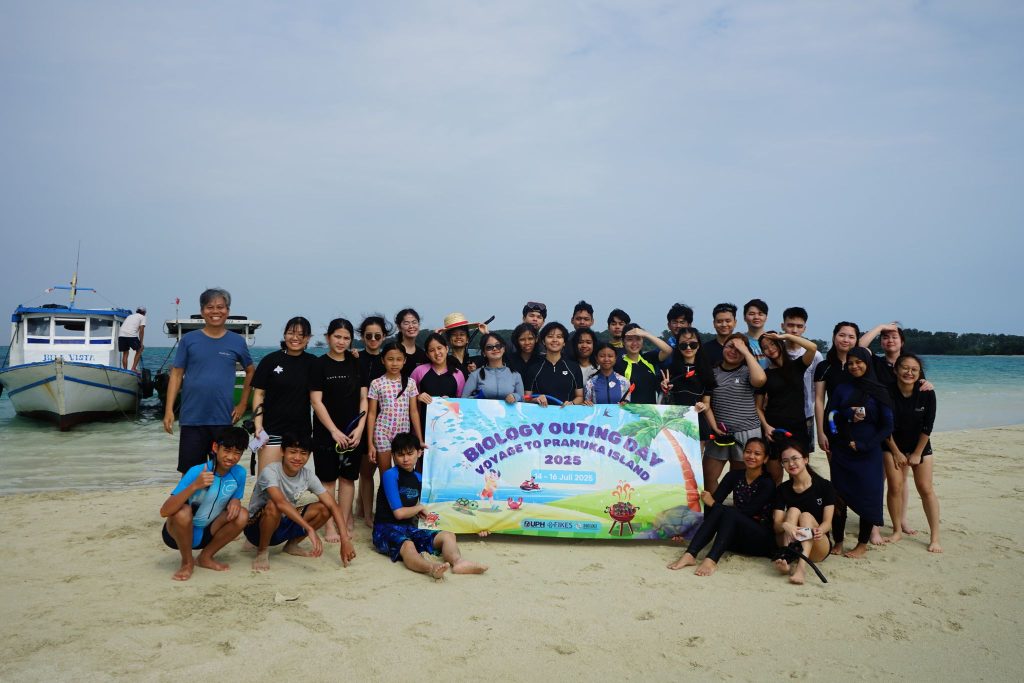
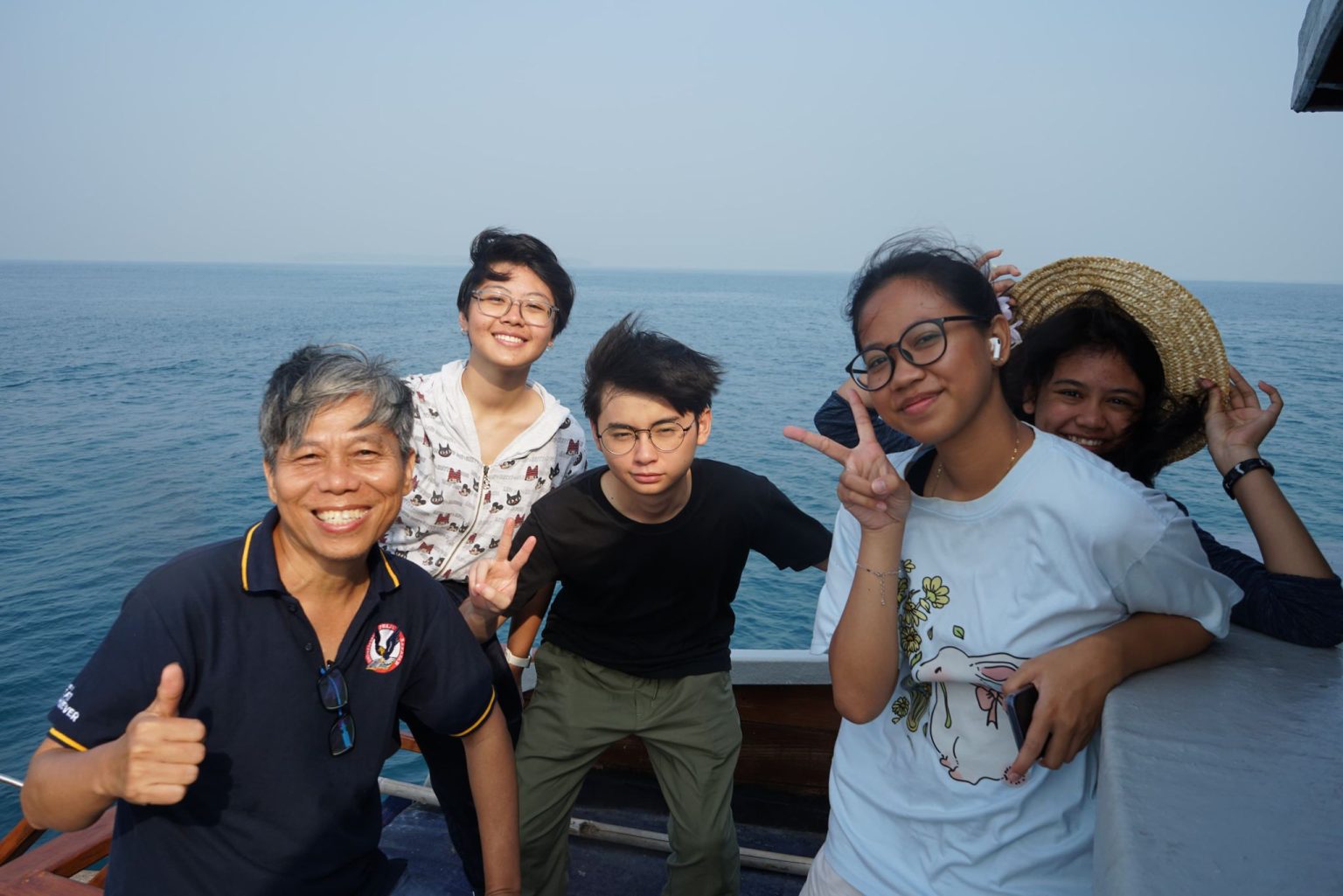
UPH Biology students, lecturers, and alumni embarked on a meaningful Biology Outing Day to Pulau Pramuka on 14 – 16 July 2025, combining exploration, education, and community building by visiting marine ecosystem.
Participants of Biology Outing Day 2025 at Pulau Pramuka
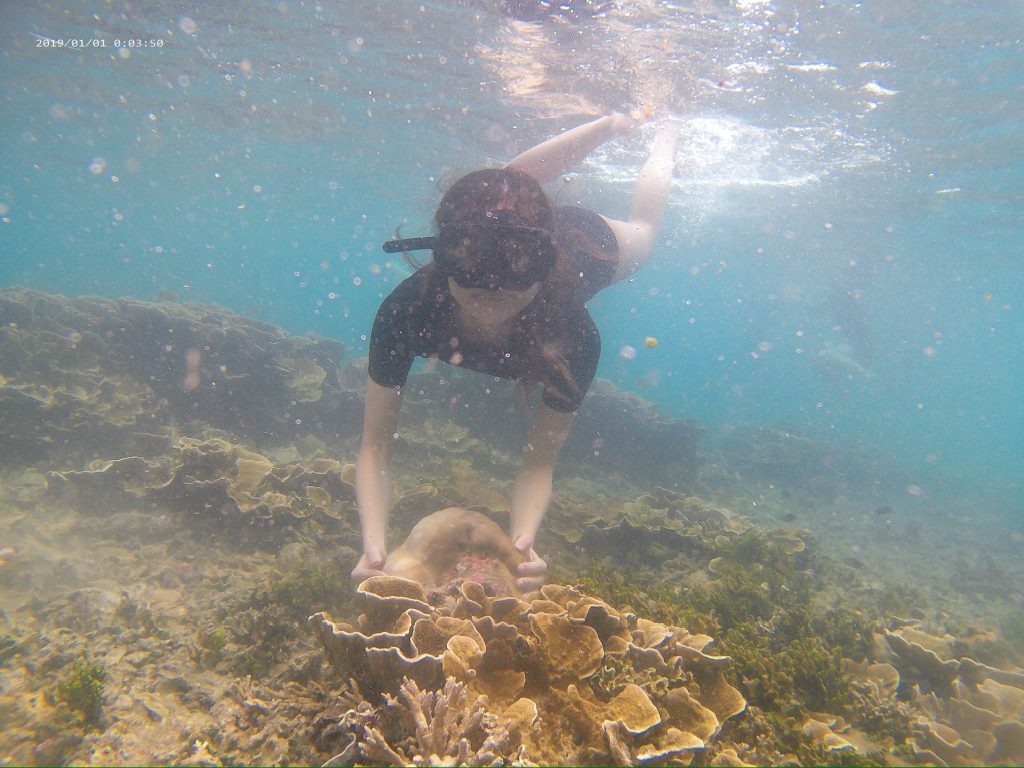
Over two days, participants were able to snorkel and admire the vibrant coral reefs. Aside from that, they visited marine conservation sites to learn about the challenges faced by ocean ecosystems. Special attention was given to sea turtle and seahorse conservation sites, where participants gained insights into the biology of these species, the threats they face, and how future biologists and community can contribute to their protection.
Beyond learning, the outing also served as a valuable opportunity for students to interact with alumni, exchange ideas, and expand their professional networks. These conversations helped bridge academic knowledge with real-world experience alumni have experienced. This activity is done to integrate sustainability into student experiences while also fostering a strong sense of community between current students and alumni.